Filtering Options:
46 software:
-
 6 screenshots
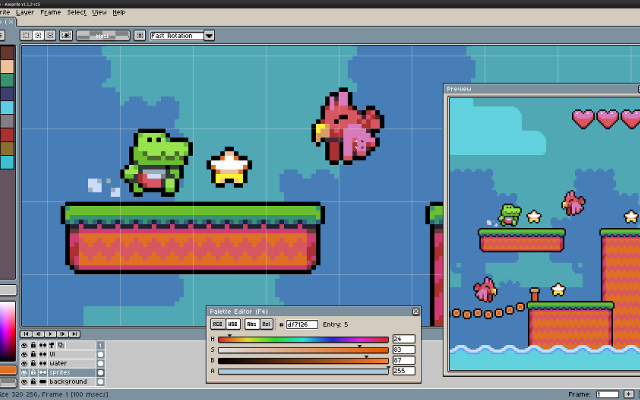
 AsepriteThe most popular dedicated pixel art editor, with animation, tilemaps and a scripting API.Paid18Pixel Art
AsepriteThe most popular dedicated pixel art editor, with animation, tilemaps and a scripting API.
AsepriteThe most popular dedicated pixel art editor, with animation, tilemaps and a scripting API.Paid18Pixel Art
AsepriteThe most popular dedicated pixel art editor, with animation, tilemaps and a scripting API.Aseprite is a pixel art editor built around sprite work: an indexed-color workflow, onion skinning and a timeline for animation, tilemap layers, custom brushes, and export straight to sprite sheets. Extensions and Lua scripts add anything it lacks. It is the editor most Lospec artists reach for first.
Features:layersanimationonion skinningtilemapscustom brushespalette manipulationscriptingsprite sheet export18 451 pieces -
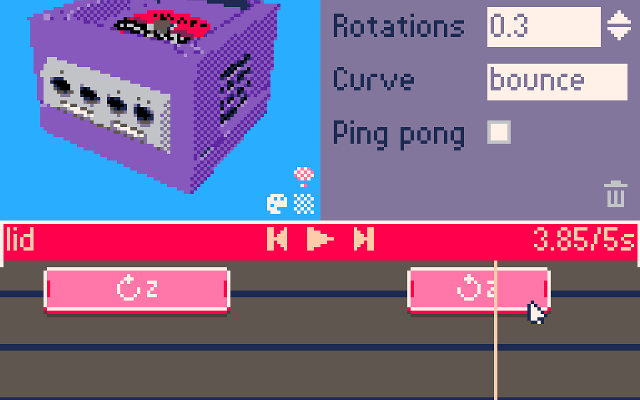
 picoCAD 2A tiny low-poly modeller that also handles animations.
picoCAD 2 lets you make small low-poly models out of a handful of shapes and texture them with a single 128x128 texture sheet in a deliberately constrained toolset. Textures can be painted live in the program using a basic pixel art editor.
It also allows you to create simple animations and can be used to make larger and more complex models than the original picoCAD.
You can export renders, models and sprite sheets directly from it.
Features:low polytexture paintingmodel export3d model export3d modellingturntable renderanimationsprite sheet export4 26 pieces -
 4 screenshots
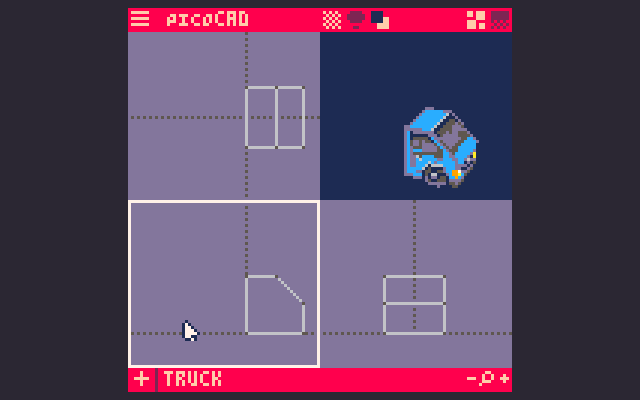
 picoCADA tiny low-poly modeller that paints every model with one small texture sheet.Paid4Low-Poly
picoCADA tiny low-poly modeller that paints every model with one small texture sheet.
picoCADA tiny low-poly modeller that paints every model with one small texture sheet.Paid4Low-Poly
picoCADA tiny low-poly modeller that paints every model with one small texture sheet.picoCAD builds small low-poly models out of a handful of shapes and textures them with a single tiny texture sheet, in a deliberately constrained toolset. Models and turntable renders export straight out of it.
4 9 pieces -
 LBITThe Lightweight Bitmap Illustration ToolLBIT is a minimal drawing program for pixel art
It's purpose is to provide only the minimum tools needed for creating pixel art, in the most minimal user interface possible. Nothing but a floating grid of squares and your lonely little cursor.
If you want fancy tools that do all the work for you, keep searchin, sista. If you need an interface with lots of text and buttons that describe everything to you, keep searchin, sista. If your brain can't memorize a single hotkey, keep searchin, sista.
Anything that could be left out was. Despite being minimal, LBIT also aims to be smooth and pretty, so it's pleasant to look at and use.LBIT is Extremely Lightweight
- a single 3.3 MB exe file
- uses ~2400KB of ram
- starts in 200 miliseconds
LBIT is Extremely Minimal
- No text or menus
- No buttons or windows
- Controlled with mouse / hotkeys
- No duplicated tools
LBIT Simplifies Pixelling
- no saving (instant autosave)
- no canvas sizes (infinite canvas)
- infinite history (undo all the way to the beginning)
- easy export of current selection / zoom level
LBIT has Cool Features
- tweak a color everywhere on the canvas live
- generate a gif of your entire piece from start to finish
- comprehensive mouse/keyboard shortcuts / combinations
- control the cursor with keyboard arrow keys
LBIT is Smooth
- - smooth transitions between zoom levels
- - drawing strokes optimized for smooth lines even at high resolutions
- - simple / clean cursors and background grid
But why?
Beautiful pixel art requires only a few simple tools, and I find shortcuts only lead you to worse results. For such a simple process, a complicated user interface is not necessary, so I also designed the entire app without any buttons or text. This puts the focus purely on the art.
Being completely mouse and hotkey focused also makes the program much quicker to use, so you can spend less time looking at menus and more time placing pixels.
This app may not be ideal for creating complex game assets, but can be a calmer experience for just making art.3 16 pieces -
 11 screenshots
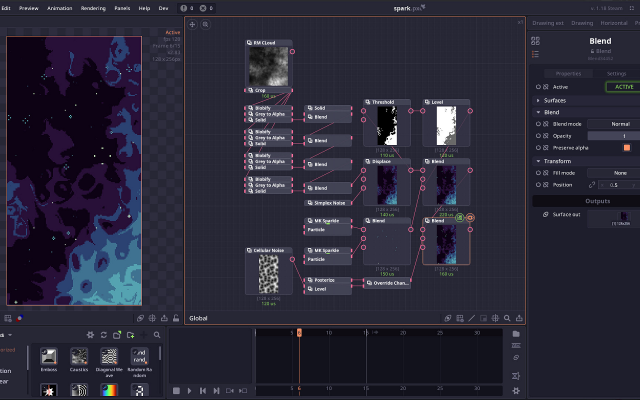
 Pixel ComposerA node-based tool for procedural pixel art and effects.Paid3Pixel Art
Pixel ComposerA node-based tool for procedural pixel art and effects.Paid $14.99, free trial Open Source Pixel Art Procedural GeneratorsEffect & Particle GeneratorsAnimation Tools Active
Pixel ComposerA node-based tool for procedural pixel art and effects.Paid3Pixel Art
Pixel ComposerA node-based tool for procedural pixel art and effects.Paid $14.99, free trial Open Source Pixel Art Procedural GeneratorsEffect & Particle GeneratorsAnimation Tools ActivePixel Composer builds effects, animations and generated art from node graphs, so a change to one input flows through the whole result.
3 3 pieces -
 6 screenshots
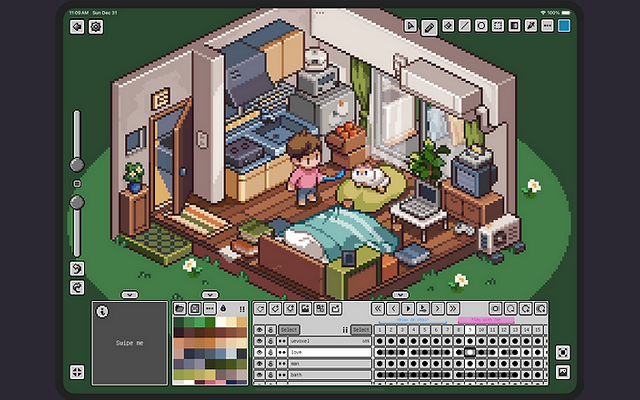
 PixquareA pixel art app for the iPad and iPhone, built around the Apple Pencil.Paid2Pixel Art
PixquareA pixel art app for the iPad and iPhone, built around the Apple Pencil.
PixquareA pixel art app for the iPad and iPhone, built around the Apple Pencil.Paid2Pixel Art
PixquareA pixel art app for the iPad and iPhone, built around the Apple Pencil.Pixquare is a pixel art editor for iPad and iPhone with a deliberately dense feature set: layers, animation, palettes, tiled preview and pressure-aware Apple Pencil drawing. It reads and writes the formats desktop editors use, so a drawing started on a tablet finishes anywhere.
2 54 pieces -
 PixakiA full pixel art and animation studio built for the iPad.
Pixaki is a full pixel art studio for the iPad, built for drawing with the Apple Pencil rather than a mouse. It has layers, a proper animation timeline with onion skinning, palette tools and tiled preview, and exports sprite sheets, GIFs and layered files.
2 4 pieces -
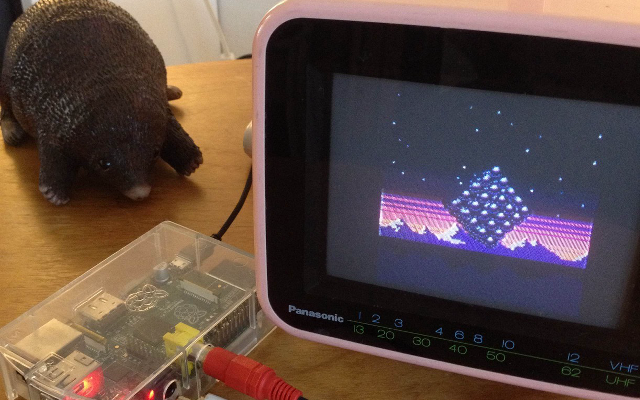
 PICO-8A fantasy console with a 128×128 screen, 16 colors and everything built in.
PICO-8 bundles a code editor, sprite editor, map editor, sound effect editor and tracker into one tiny virtual machine with strict limits that keep games small and finishable.
2 2 pieces -
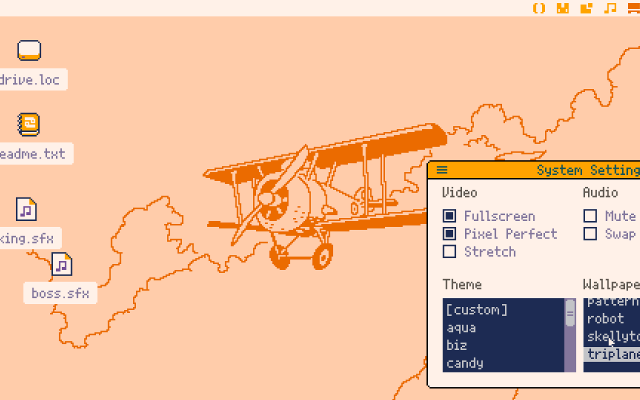 4 screenshotsPicotronA fantasy workstation from the makers of PICO-8, with its own tools and desktop.Paid2Programming
PicotronA fantasy workstation from the makers of PICO-8, with its own tools and desktop.
4 screenshotsPicotronA fantasy workstation from the makers of PICO-8, with its own tools and desktop.Paid2Programming
PicotronA fantasy workstation from the makers of PICO-8, with its own tools and desktop.Picotron is a fantasy workstation from the makers of PICO-8: a small imaginary computer with its own desktop, file system and built-in tools - a sprite editor, a map editor, a tracker and a code editor - all inside fixed limits. It is roomier than PICO-8 and keeps the same deliberately constrained feel.
2 0 pieces -
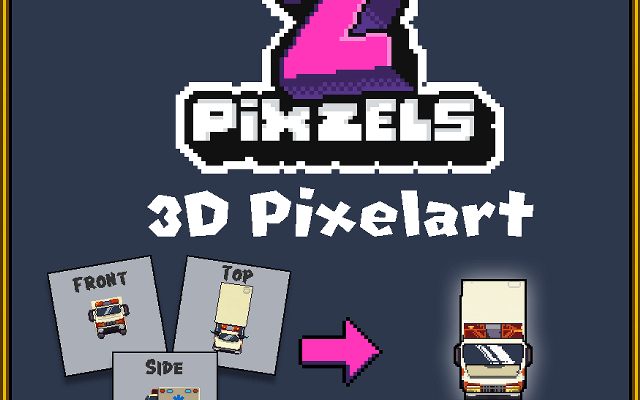
 PixZelsTurn 2D pixel art into isometric and top-down 3D assets.
A standalone program for building isometric and top-down assets by extruding pixel art into 3D.
2 0 pieces -
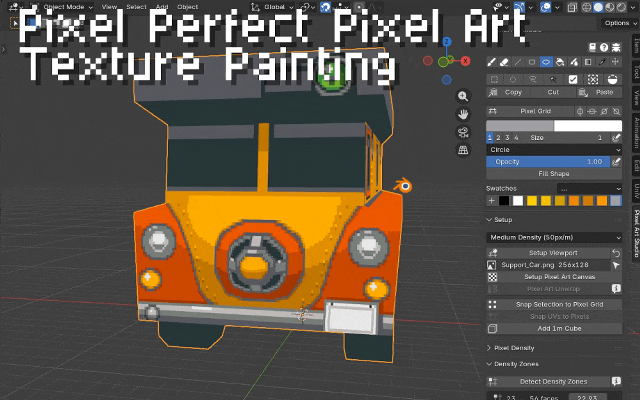
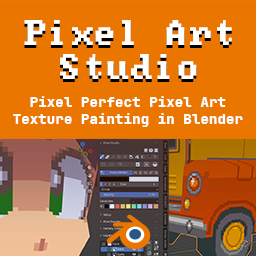 Pixel Art Studio for BlenderBlender add-on for pixel perfect pixel art drawing and texture painting in 3D and 2DPixel Art Studio is a Blender add-on (plugin) for pixel perfect pixel art texture painting. It supports drawing and painting pixel art inside Blender, in the 3D Viewport on top of the model (in Object and Edit modes) and in 2D in the Image Editor. It has tools for drawing and painting (including colors, palettes, layers, pressure sensitivity, bucket fill, gradients), selecting and moving pixels, and quickly setting up the model and the viewport for pixel art. Don't worry about UVs anymore: one click unwraps the whole model for pixel art (texel density, pixel sizes and no stretched pixels), so you can close Blender's UV Editor and use just the 3D Viewport. Stack faces on the same pixels or join as a single UV island, without ever moving or scaling a UV island by hand. The plugin also helps with setting up and managing multiple texture densities per mesh, allowing for uniform pixel sizes across the whole mesh or per face pixel size variation.
And this is not a filter or composer to "PIXELATE" the scene or the model, this is true pixel art drawing and texturing!Features:layerspalette manipulation3d model exportcustom brushessprite editor3d modellingtexture painting2 0 pieces -
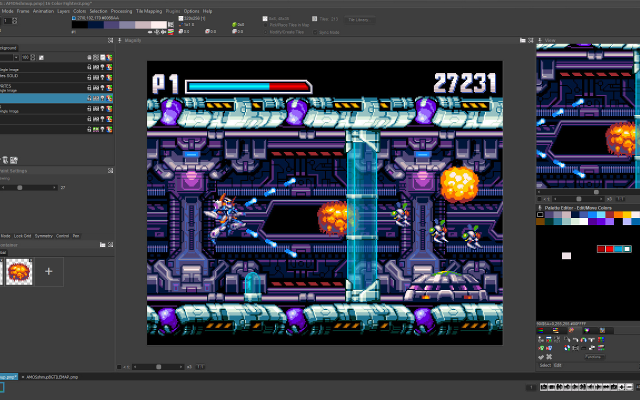 6 screenshotsPro Motion NGA professional pixel art and animation tool descended from Deluxe Paint.Paid1Pixel Art
Pro Motion NGA professional pixel art and animation tool descended from Deluxe Paint.
6 screenshotsPro Motion NGA professional pixel art and animation tool descended from Deluxe Paint.Paid1Pixel Art
Pro Motion NGA professional pixel art and animation tool descended from Deluxe Paint.Pro Motion NG is inspired by Amiga Deluxe Paint and used in commercial game studios. It has a detached-window interface, deep palette and tile tools, and an animation workflow tuned for sprite production.
1 3 pieces -
 12 screenshots
 Crocotile 3DBuild 3D scenes tile by tile from pixel art tilesets.Paid1Other Low-Spec
Crocotile 3DBuild 3D scenes tile by tile from pixel art tilesets.
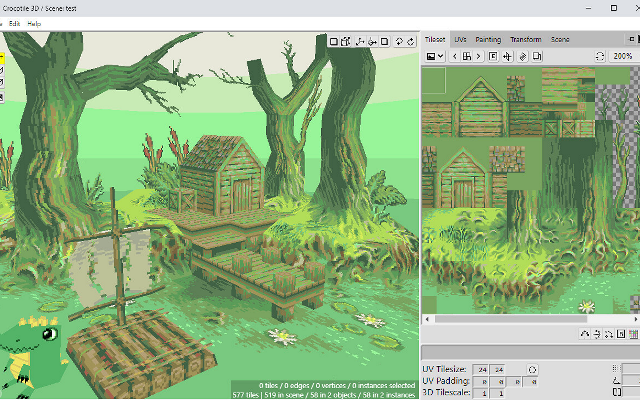
Crocotile 3DBuild 3D scenes tile by tile from pixel art tilesets.Paid1Other Low-Spec
Crocotile 3DBuild 3D scenes tile by tile from pixel art tilesets.Crocotile 3D places pixel art tiles in 3D space to build low-poly scenes and models, exporting to common formats.
1 1 piece -
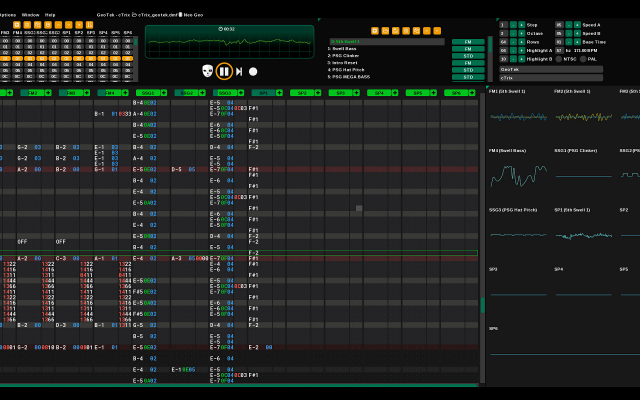
 DefleMaskA multi-system tracker with a friendly interface.
DefleMask targets the Mega Drive, Game Boy, NES, PC Engine, Master System, C64 and more, exporting files that run on real hardware.
1 0 pieces -
 4 screenshots
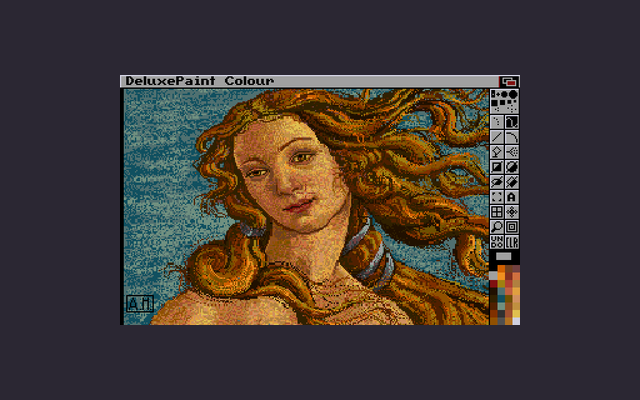
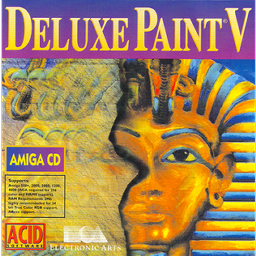 Deluxe PaintThe Amiga paint program that most early game art was drawn in.Paid1Pixel Art
Deluxe PaintThe Amiga paint program that most early game art was drawn in.
Deluxe PaintThe Amiga paint program that most early game art was drawn in.Paid1Pixel Art
Deluxe PaintThe Amiga paint program that most early game art was drawn in.Deluxe Paint was the paint program of the Amiga era and the tool a great deal of 1980s and 1990s game art was made in. Its custom brushes, palette cycling and animation features set conventions that pixel art editors still follow, and its keyboard-driven workflow is why so many later programs feel the way they do. It is no longer sold; the versions that survive do so through archives and emulation.
1 0 pieces -
 3 screenshots
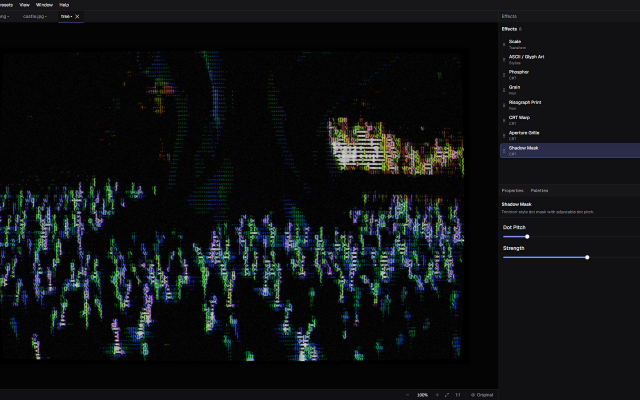
 DitherMaster StudioDithering, CRT, VHS, ASCII and glitch effects made easyPaid1Other Low-Spec
DitherMaster StudioDithering, CRT, VHS, ASCII and glitch effects made easyDitherMaster Studio makes dithering, CRT, VHS, ASCII and glitch effects easy to experiment with. Stack effects, tweak the settings, and save combinations as presets. No complicated workflow required.
DitherMaster StudioDithering, CRT, VHS, ASCII and glitch effects made easyPaid1Other Low-Spec
DitherMaster StudioDithering, CRT, VHS, ASCII and glitch effects made easyDitherMaster Studio makes dithering, CRT, VHS, ASCII and glitch effects easy to experiment with. Stack effects, tweak the settings, and save combinations as presets. No complicated workflow required.
LOSPEC palettes can be directly imported as palettes into the App!Features:palette manipulationimage conversioncross platformimage editingimage processorcolor reductionascii1 0 pieces -
Kenney ShapeBuilds chunky 2.5D icons and sprites out of stacked flat shapes.
Kenney Shape builds chunky 2.5D icons and sprites by stacking flat shapes and giving them depth, rather than by modelling in 3D. It is a fast way to get a consistent set of game icons, and exports both flat images and models.
1 0 pieces -
 12 screenshotsPixelOverTurns artwork and 3D renders into animated pixel art without hand-pixelling every frame.Paid1Pixel Art
PixelOverTurns artwork and 3D renders into animated pixel art without hand-pixelling every frame.
12 screenshotsPixelOverTurns artwork and 3D renders into animated pixel art without hand-pixelling every frame.Paid1Pixel Art
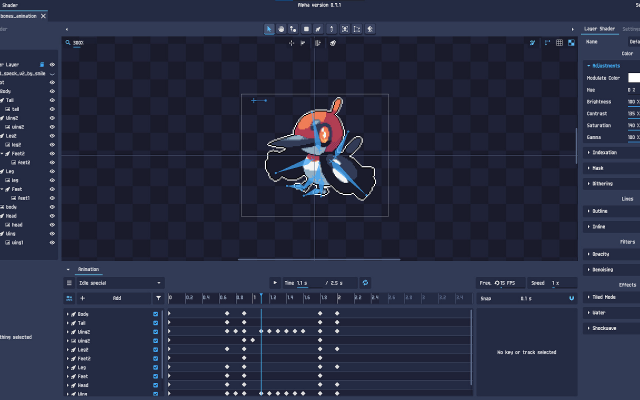
PixelOverTurns artwork and 3D renders into animated pixel art without hand-pixelling every frame.PixelOver turns existing artwork, 3D renders and photographs into pixel art, with control over the palette, the dithering and the outline. It can rig and animate what it produces, so a single drawing becomes an animated sprite without pixelling every frame by hand.
1 0 pieces -
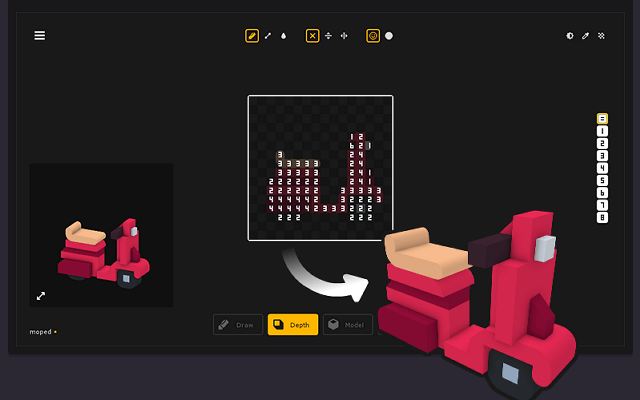
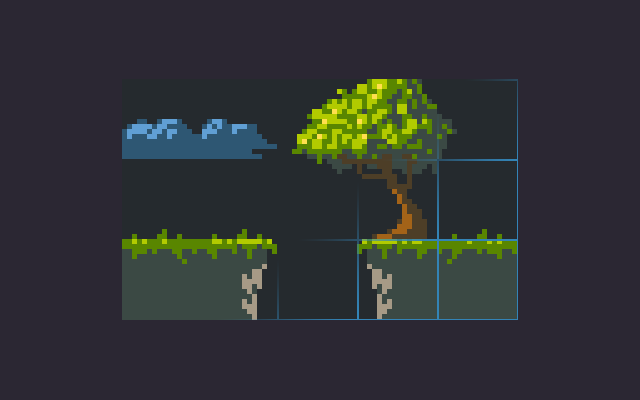
 Pyxel EditA pixel art editor built around tiles and tilesets.
Pyxel Edit is a smaller pixel art program focused on tile editing: paint tiles once and every placed copy updates, then export the tileset and tilemap for your engine. It also handles simple animation.
1 0 pieces -
 4 screenshots
 SpriteIlluminatorPaints normal maps onto sprites so 2D art can be lit dynamically.Paid1Pixel Art
SpriteIlluminatorPaints normal maps onto sprites so 2D art can be lit dynamically.
SpriteIlluminatorPaints normal maps onto sprites so 2D art can be lit dynamically.Paid1Pixel Art
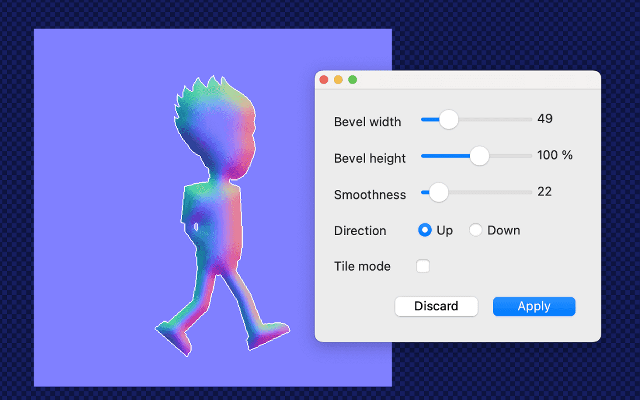
SpriteIlluminatorPaints normal maps onto sprites so 2D art can be lit dynamically.SpriteIlluminator generates normal maps for 2D sprites, either algorithmically from the shape of the art or painted by hand with its own brushes, so a flat sprite reacts to moving lights in an engine. It also does specular and emissive maps, and previews the result under a light you can drag around.
1 0 pieces -
 5 screenshots
 TilesetterTurns a handful of hand-drawn tiles into a complete auto-tiling tileset.Paid1Pixel Art
TilesetterTurns a handful of hand-drawn tiles into a complete auto-tiling tileset.
TilesetterTurns a handful of hand-drawn tiles into a complete auto-tiling tileset.Paid1Pixel Art
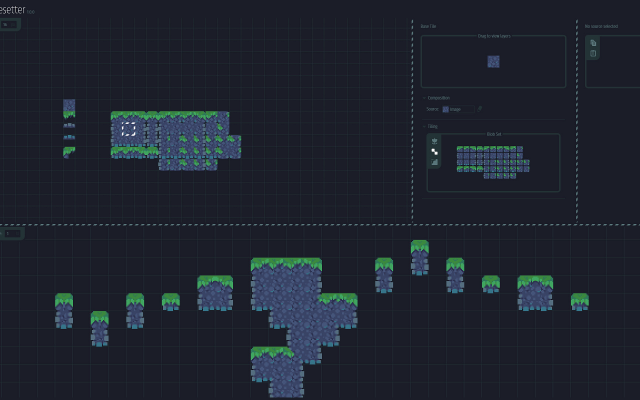
TilesetterTurns a handful of hand-drawn tiles into a complete auto-tiling tileset.Tilesetter takes a handful of hand-drawn tiles and works out the rest: corners, edges and transitions are generated into a complete auto-tiling tileset, which it can then export along with a map. It is aimed at the part of tile work that is repetitive rather than creative.
1 0 pieces -
 4 screenshots
 inSIDiousA detailed emulation of the Commodore 64 SID chip as a plugin instrument.Paid1Chiptune
inSIDiousA detailed emulation of the Commodore 64 SID chip as a plugin instrument.
inSIDiousA detailed emulation of the Commodore 64 SID chip as a plugin instrument.Paid1Chiptune
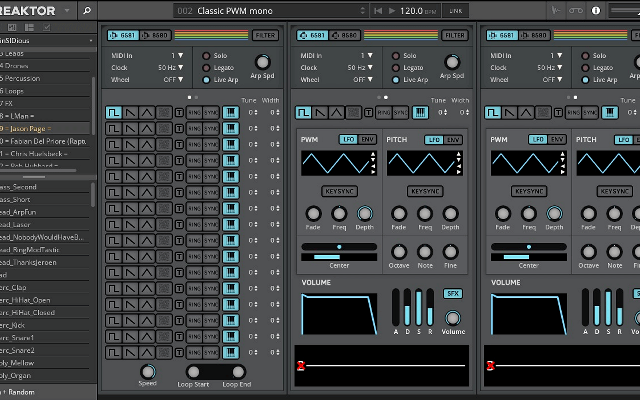
inSIDiousA detailed emulation of the Commodore 64 SID chip as a plugin instrument.inSIDious is a detailed emulation of the Commodore 64's SID chip as a plugin instrument, covering both the 6581 and the 8580 and the quirks that separate them. Three oscillators, the chip's filter, envelopes and a sequencer for the fast arpeggios the SID is known for, with several hundred presets. It runs in the free Reaktor Player.
1 0 pieces -
 4 screenshots
 AltusPixelPixel art editor, including animation, rigging, and palettes, and GameMaker projects...Paid0Pixel Art
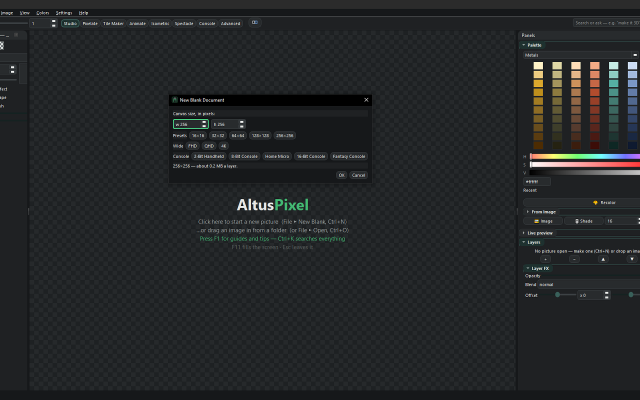
AltusPixelPixel art editor, including animation, rigging, and palettes, and GameMaker projects...Paid $7.99 USD; one price, no DLC, updates included Pixel Art EditorsAnimation ToolsTile & Map EditorsPalette ToolsFont & Charset ToolsConverters & Scalers ActiveAltusPixel is a pixel art editor for game developers, sold on Steam for Windows and Linux. It is a single offline desktop application with no account.
AltusPixelPixel art editor, including animation, rigging, and palettes, and GameMaker projects...Paid0Pixel Art
AltusPixelPixel art editor, including animation, rigging, and palettes, and GameMaker projects...Paid $7.99 USD; one price, no DLC, updates included Pixel Art EditorsAnimation ToolsTile & Map EditorsPalette ToolsFont & Charset ToolsConverters & Scalers ActiveAltusPixel is a pixel art editor for game developers, sold on Steam for Windows and Linux. It is a single offline desktop application with no account.
Engine Export: complete GameMaker project exports (sprite, tileset and autotiles/room), a Godot TileSet and map scene, a Tiled map, Unity sprite metadata, and .ase filess.
Drawing: layers that can be added, reordered, hidden and recolored one at a time; lines that snap to isometric slopes and isometric scenes built block by block; fills with a material such as brick, stone, sand, grass, leaves, wood or water instead of a flat color; text in bundled pixel fonts with a live preview; a Bend tool that curves a straight strip.
Animation: frame-by-frame animation with onion skin and in-app playback; a character can be rigged on the canvas by placing joints, and several rigged characters can stand on one stage and run together; export to GIF, animated WebP, APNG and sprite sheets.
Tiles: tilemap layers where editing one tile updates every placed copy, and autotile set generation.
Color: thirty-six bundled palettes, a palette library, and template palettes pasted straight in.
Pipeline: recorded macros that run across a whole folder; an atlas packer with JSON metadata and native Godot .tres output; automatic re-export on save into a game's asset folder; in-file snapshots and a session timelapse recorder; PNG, integer-scaled PNG and sprite-sheet export.
Also developed: photos can be turned into a printable cross-stitch pattern at real size. The application contains no generative AI features.Features:animationlayerspalette manipulationonion skinningsprite sheet exporttilemapstilesimage conversiontexture paintingisometricexporttilemap exporttimelapse0 0 pieces -
 2 screenshots
 AmberspritePixel-art sprite editor, animation & tilemaps for iPad with Apple PencilPaid0Pixel Art
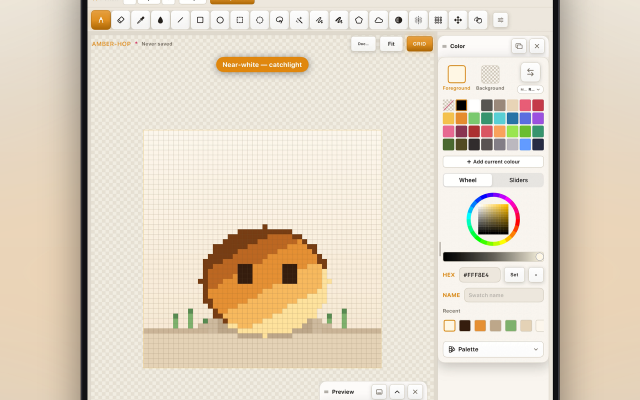
AmberspritePixel-art sprite editor, animation & tilemaps for iPad with Apple PencilAmbersprite is a pixel-art editor for iPad, built around Apple Pencil input. It provides pixel-perfect drawing with pressure and tilt support, frame-by-frame animation with onion skinning, and tilemap editing. Sprites and animations can be exported as PNG, GIF, APNG, sprite sheets, Aseprite (.ase) and PSD files, Tiled maps, and video. It works fully offline with no account, ads, or analytics.0 0 pieces
AmberspritePixel-art sprite editor, animation & tilemaps for iPad with Apple PencilPaid0Pixel Art
AmberspritePixel-art sprite editor, animation & tilemaps for iPad with Apple PencilAmbersprite is a pixel-art editor for iPad, built around Apple Pencil input. It provides pixel-perfect drawing with pressure and tilt support, frame-by-frame animation with onion skinning, and tilemap editing. Sprites and animations can be exported as PNG, GIF, APNG, sprite sheets, Aseprite (.ase) and PSD files, Tiled maps, and video. It works fully offline with no account, ads, or analytics.0 0 pieces
There are no more software for your current criteria.
There are no software for your current criteria.
AD| join Patreon to remove ads!
Thanks for your feedback! If you want to say more, please post a Suggestion or Bug Report!
our next patreon goal: $263 / $500